

Starting a weight loss journey with medications like Wegovy, Zepbound, or Ozempic is a brave step toward a healthier future. However, for many, the initial excitement is met with an unexpected guest: side effects. If you’ve been searching for glp-1 side effects management, it’s likely because you’re feeling a bit “off” perhaps dealing with nausea, fatigue, or those infamous “sulfur burps.”

Take a deep breath. We understand exactly what you’re going through. This isn’t just about clinical data; it’s about how you feel when you wake up in the morning. Our empathetic “gut-check” tone is here to prioritize your comfort and safety. In this guide, we will provide a transparent roadmap to managing the most common side effects of GLP-1s, revealing the tips and tricks that medical experts use to keep patients on track. You are not alone, and we are here to guide you every step of the way.
The “big three”: nausea, burps, and fatigue
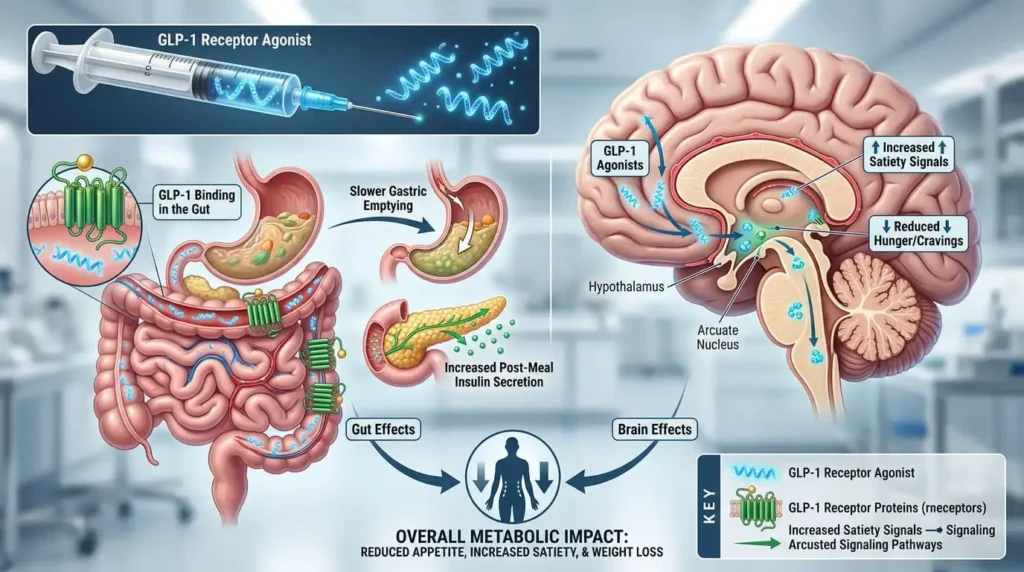
Most glp-1 side effects management focuses on the gastrointestinal system. Because these drugs slow down your digestion (gastric emptying), your body needs time to adjust. Here is how to handle the “Big Three” with expert-level precision.
1. Managing nausea
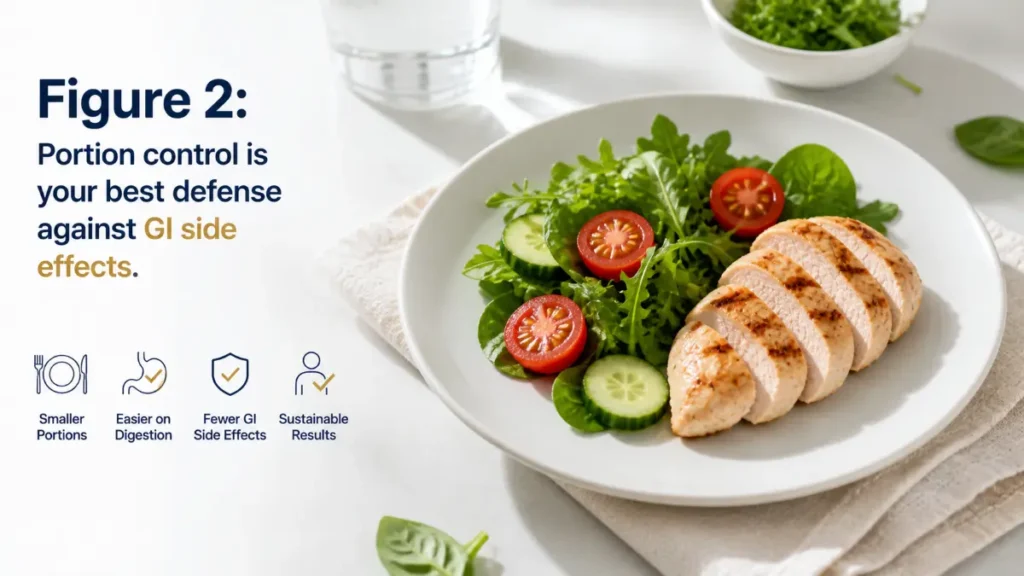
Nausea is the most common reason people stop treatment. To fight it, try the “Tiny Plate” method: eat smaller, more frequent meals throughout the day instead of three large ones. Avoid spicy, fatty, or fried foods, which can sit in your stomach longer. Ginger tea or peppermint oil can also provide natural relief. If the nausea is severe, speak with your telehealth clinic about a temporary prescription for anti-nausea medication like Zofran.
2. Taming the sulfur burps
Sulfur burps occur because food stays in your stomach longer and starts to ferment. To manage this, avoid heavy proteins late at night and stay hydrated. Over-the-counter gas relief (like Simethicone) can be very effective. Many members find that drinking apple cider vinegar diluted in water helps balance stomach acidity and reduces the frequency of these unpleasant burps.
3. Fighting the fatigue
The “GLP-1 slump” is real. Your body is undergoing a massive metabolic shift. Ensure you are getting enough protein and electrolytes. We recommend a high-protein nutritional protocol to help maintain muscle mass and energy levels. Don’t be afraid to take a 20-minute power nap your body is doing a lot of heavy lifting behind the scenes.
| Side Effect | Quick Fix | Long-Term Strategy |
|---|---|---|
| Nausea | Ginger/Ice Water | Slower Titration |
| Constipation | Fiber/Magnesium | Hydration (100oz+) |
| Sulfur Burps | Gas-X/Pepto | Low-Fat/No Late Meals |
| Fatigue | B12/Electrolytes | Protein Optimization |
The importance of titration
Effective glp-1 side effects management starts with your dosing schedule. Most clinicians use a titration schedule—starting with a very low dose and gradually increasing it every four weeks. This allows your brain and gut to adapt. If your side effects become unbearable, ask your doctor if you can stay at your current dose for an extra month. There is no prize for rushing to the highest dose; the goal is sustainable weight loss, not speed.
When to call the doctor
While most issues are manageable, you must be transparent with your medical team about severe symptoms. Call your doctor immediately if you experience:
- Severe, persistent abdominal pain that radiates to your back (a sign of potential pancreatitis).
- Frequent vomiting that prevents you from keeping fluids down.
- A rapid heartbeat or signs of an allergic reaction.
Safety is our top priority. We always recommend choosing a clinic with rigorous medical oversight to ensure you have a professional to call if things get tough.
Effective glp-1 side effects management is a skill that you will master over time. Be patient with your body, listen to its signals, and don’t be afraid to adjust your lifestyle to find comfort.
- ✅ Listen: If you’re full, stop eating even if there’s food left on the plate.
- ✅ Hydrate: Water is your best friend for fighting nausea and constipation.
- ✅ Persist: Most side effects peak in the first 48 hours after an injection and fade as the week progresses.
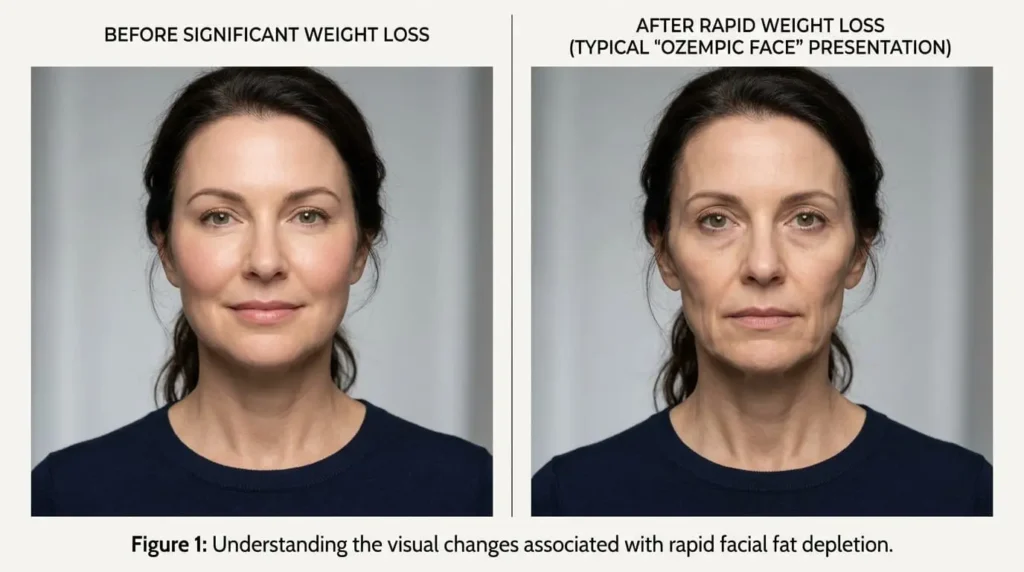
You are stronger than a few “gut-checks.” The results waiting for you on the other side are worth the temporary discomfort, even when changes like Ozempic face start to appear as your body rapidly loses fat.